

Orthodontic
Aligners
Clear aligners offer a discreet, comfortable alternative to traditional braces for many orthodontic conditions, with faster results and greater convenience.
What Are Orthodontic Aligners?
For patients looking for a route to a more attractive smile that won't cause issues down the road, orthodontic aligners have emerged as the clear alternative.
People seeking to straighten their teeth and create a more attractive smile generally seek out orthodontic treatment in the form of braces. Unfortunately, many people experience some serious side effects with respect to their airway, especially as they age and issues like obstructive sleep apnea become more of a problem.
Fortunately, there's a way around this in the form of aligners, sometimes known as clear aligners. These custom-made solutions offer a range of advantages compared to traditional braces: they're removable, comfortable, vastly less noticeable compared to braces, and can bring you a beautiful smile without obstructing your airway and causing snoring in the future.
Orthodontic aligners are a type of orthodontic treatment used to straighten teeth and correct bite issues without the need for traditional metal braces. They are custom-made, removable trays that are typically made of clear plastic or acrylic material. When a patient completes a full round of treatment, wearing their custom-made aligners over time (generally 18 to 24 months), they can achieve the desired results of having a beautiful smile.
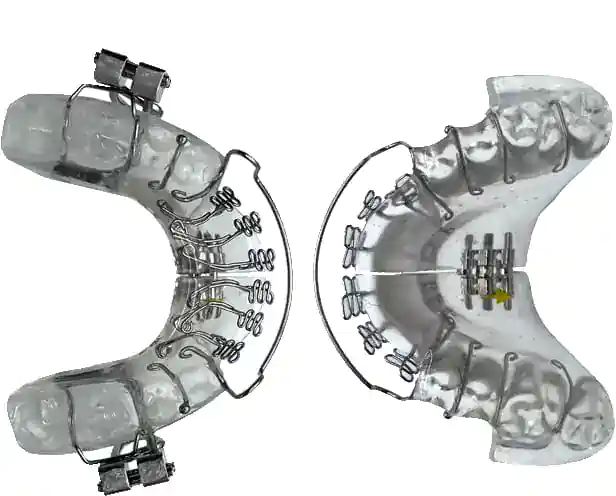
Side Effects of Traditional Braces
We have found that aligners are a superior alternative to traditional braces. While braces may be the more familiar treatment, they can leave behind a number of side effects, including:
- Restriction of the oral cavity: Traditional braces consist of metal brackets bonded to the teeth and connected by wires. These components can create a physical barrier within the oral cavity, potentially restricting the natural movement of the tongue and affecting overall tongue posture. And even after these components are removed, the general approach of braces — pushing the teeth inward until they look straight — leaves less room for the tongue, which means it is more likely to present an obstruction to healthy breathing and can contribute to sleep apnea.
- Obstruction of nasal breathing: Nasal breathing is important for optimal airway health, as it facilitates proper oxygenation and helps maintain nasal patency (or openness). The use of traditional braces can impede this in some individuals: the increased pressure generated by traditional braces can create increased nasal resistance due to the pressure exerted by the braces on the teeth and surrounding oral structures.
- Oral hygiene challenges: As anyone who has had braces knows, keeping your teeth clean can be an immense challenge. The presence of brackets and wires can create areas where food particles and plaque can accumulate, increasing the risk of oral health issues such as gum disease and tooth decay. Poor oral hygiene can indirectly impact airway health by contributing to inflammation and narrowing of the airway due to swollen oral tissues.
- Potential speech changes: Some individuals may experience temporary speech changes, such as a slight lisp or difficulty articulating certain sounds, when first getting traditional braces. These speech changes can affect airflow and resonance within the oral cavity, potentially impacting airway dynamics.
- TMJ issues: Traditional braces can sometimes contribute to temporomandibular joint issues such as jaw pain, clicking or popping sounds, and restricted jaw movement, which may affect oral function and potentially influence airway dynamics.
Why Are Orthodontic Aligners Better?
Clear aligners offer significant advantages over traditional metal braces for patients who are good candidates.
More Discreet Appearance
Orthodontic aligners are made of clear plastic or acrylic material, making them virtually invisible when worn. This can be especially appealing to adults and teenagers who may feel self-conscious about wearing traditional metal braces.
They're Removable
Unlike braces, aligners are removable, which makes eating, drinking, brushing, and flossing much easier on patients. By extension, oral hygiene is much easier compared to traditional braces, which can be more challenging to keep clean.
They're More Comfortable
Aligners are generally considered more comfortable to wear than traditional braces. They do not have sharp metal brackets or wires that can irritate the cheeks, lips, and gums. Patients typically experience less discomfort and fewer mouth sores with aligners.
Faster Treatment
Because aligners both push and pull on teeth to move them into the desired position, overall treatment tends to be achieved much more quickly.
No Dietary Restrictions
With aligners, there are no dietary restrictions since they can be removed during meals. Patients can enjoy their favorite foods without worrying about damaging their orthodontic appliances.
Fewer Clinic Visits
While regular check-up appointments are still necessary to monitor progress, the frequency of office visits may be reduced with aligner treatment compared to traditional braces. This can be convenient for patients with busy schedules.
Better Treatment Planning
Orthodontic aligners are designed using advanced digital technology, allowing for precise treatment planning and predictable results. The treatment process is carefully mapped out from the beginning, giving patients a clear understanding of what to expect.
Reduced Lifestyle Impact
Aligners fit seamlessly into patients' lifestyles, allowing them to participate in activities such as sports and playing musical instruments without interference. They also have minimal impact on speech compared to traditional braces.
They're Safer
Since aligners are removable, there is a reduced risk of dental emergencies such as broken brackets or wires, which are common with traditional braces. This can provide peace of mind for patients, especially those involved in contact sports or other activities where oral injuries are a concern.
Speech Issues and Orthodontics
Regardless of the form of orthodontic treatment you select, you're probably going to face some sort of speech or laryngeal challenges early on in the treatment process. These issues tend to be fairly minor and temporary, but they are fairly common during the initial adjustment period.
One of the most expected challenges is the impact on speech, at least initially. This generally presents as a slight lisp, or difficulty pronouncing certain words. The presence of orthodontic aligners or implants can alter the air flow in the mouth and tongue movements in speech production. Many patients learn to overcome this early by adjusting and adapting to the presence of orthodontic appliances in the mouth.
Another common issue is excess saliva production. When foreign objects are in the mouth, the body increases saliva flow as a natural response, which can in turn affect speech clarity. However, as the body adjusts to the appliances, this excess saliva flow generally tapers off.
Swallowing patterns can also be impacted early on in the treatment process. Some patients find that they need to modify their swallowing technique to avoid interfering with their speech patterns in response to the sudden introduction of orthodontic appliances. In addition, the excess saliva production means that patients need to swallow with greater frequency. However, patients generally find that, with minimal adjustments, swallowing is very doable and speech interference is minimal.
Many patients also find that their vocal projection is affected. Neither braces nor aligners directly impact laryngeal function, which is the coordination and movement of the larynx (voice box). However, the presence of orthodontic appliances directly impacts oral anatomy and airflow patterns, which in turn can indirectly impact vocal quality and resonance. Patients may detect differences in their voice and vocal projection during the initial stages of orthodontic treatment.
Many patients discover that these challenges are more easily managed with aligners than with braces. One reason is that aligners are removable, so being able to take them out briefly for things like important presentations or social events helps to minimize issues like excess saliva production or speech changes. Another is that aligners have a smooth surface, leading to improved comfort during speech and swallowing. The protrusions and sharp edges of braces tend to make these sorts of actions more difficult.
Most of all, aligners tend to have much less impact on oral anatomy than braces. Aligners fit over teeth much more tightly and take up a lot less space, which tends to result in fewer challenges with swallowing and speech than braces, especially during the initial adjustment period.
How Do Orthodontic Aligners Work?
The TMJ & Sleep Therapy Centre of North Texas is proud to offer the Nuvola line of custom aligners. Developed in Europe, this outstanding line of orthodontic aligner technology allows us to align your teeth without constricting your airway or removing space for your tongue. We can give you a great smile without increasing your risk of developing obstructive sleep apnea or TMJ issues in the future.
When you come to our office, we'll complete a full evaluation, including 360° scans of your skull and digital impressions of your teeth. This will allow us to create a precise 3D model of your teeth and oral cavity, which we will then use to digitally create a series of precise aligner trays. You'll get a new aligner every two weeks, and over the course of a full round of treatment, your teeth will gradually be brought into alignment.
The difference with aligners? Unlike traditional braces, which only push your teeth in one direction, the aligners will gradually push or pull your teeth into the desired position. The result: a much more attractive smile that doesn't create airway obstructions down the road.
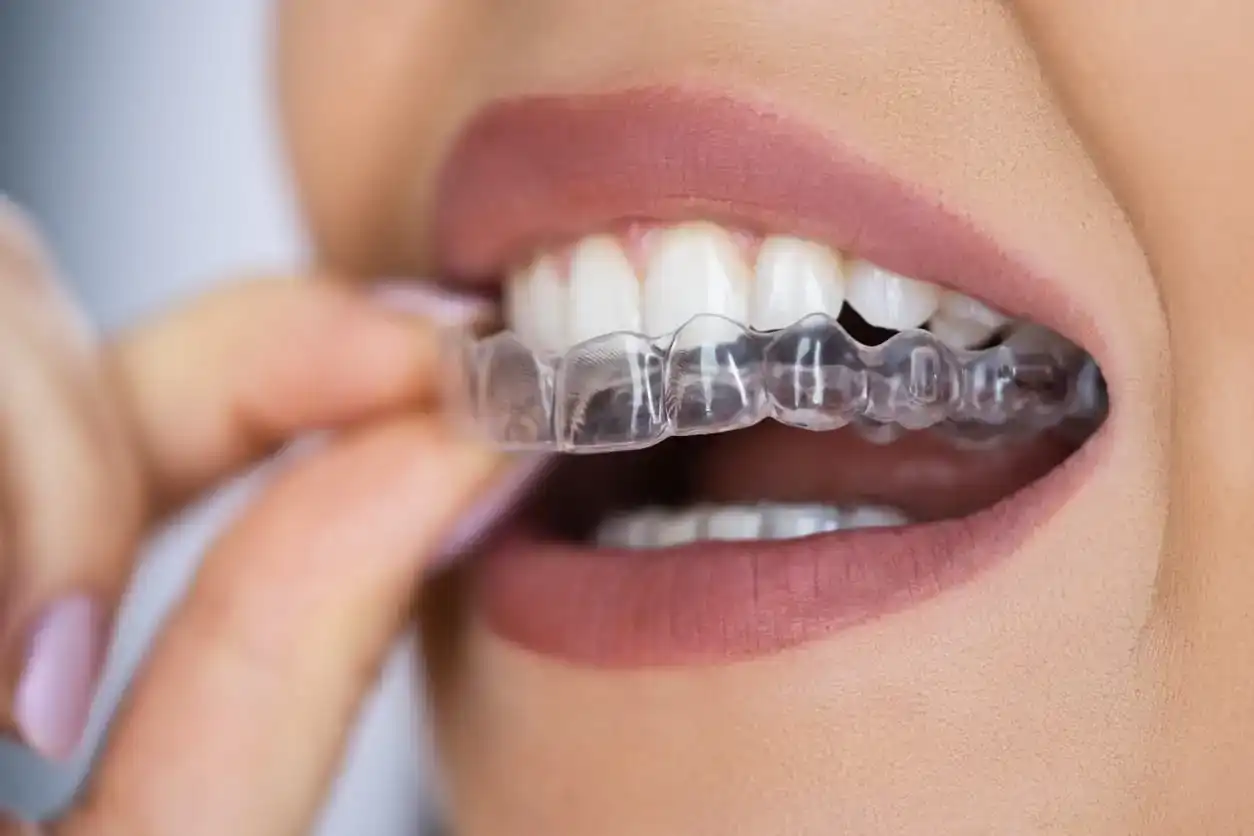

Dental Aligners and Gradual Shifting of Teeth
Everyone's teeth gradually shift over time. The practice of orthodontics uses this to its advantage by gradually moving teeth to their optimal position. Nuvola dental aligners are the best choice for correcting a range of issues around tooth misalignment. By using custom-made aligners, we can gradually move your teeth into the best position over time, fixing a range of issues caused by poor tooth alignment.
More generally, aligners bring a range of advantages for improving your dental health. For one, properly aligned teeth are at a reduced risk of tooth decay. Crowded or misaligned teeth are harder to brush and floss, leading to plaque buildup and increased likelihood of cavities. By properly straightening your teeth with aligners, you will be better able to practice proper oral hygiene and decrease the risk of tooth decay.
Aligners can also tend to contribute to better gum health as well. Misaligned teeth can create pockets between the teeth and gums where bacteria can accumulate, resulting in gum inflammation and periodontal disease. But when your teeth are properly aligned, those pockets are less likely to exist. Straighter teeth are also less likely to cause gum irritation, which in turn reduces the risk of gum recession and related issues.
Aligners can also be a great help to prevent tooth wear. Malocclusions such as overbites or crossbites can lead to uneven tooth wear over time by uneven distribution of biting force. By bringing the teeth into proper alignment, these conditions can be corrected, reducing the risk of premature tooth wear and enamel damage.
Treating Dental Alignment Issues with Aligners
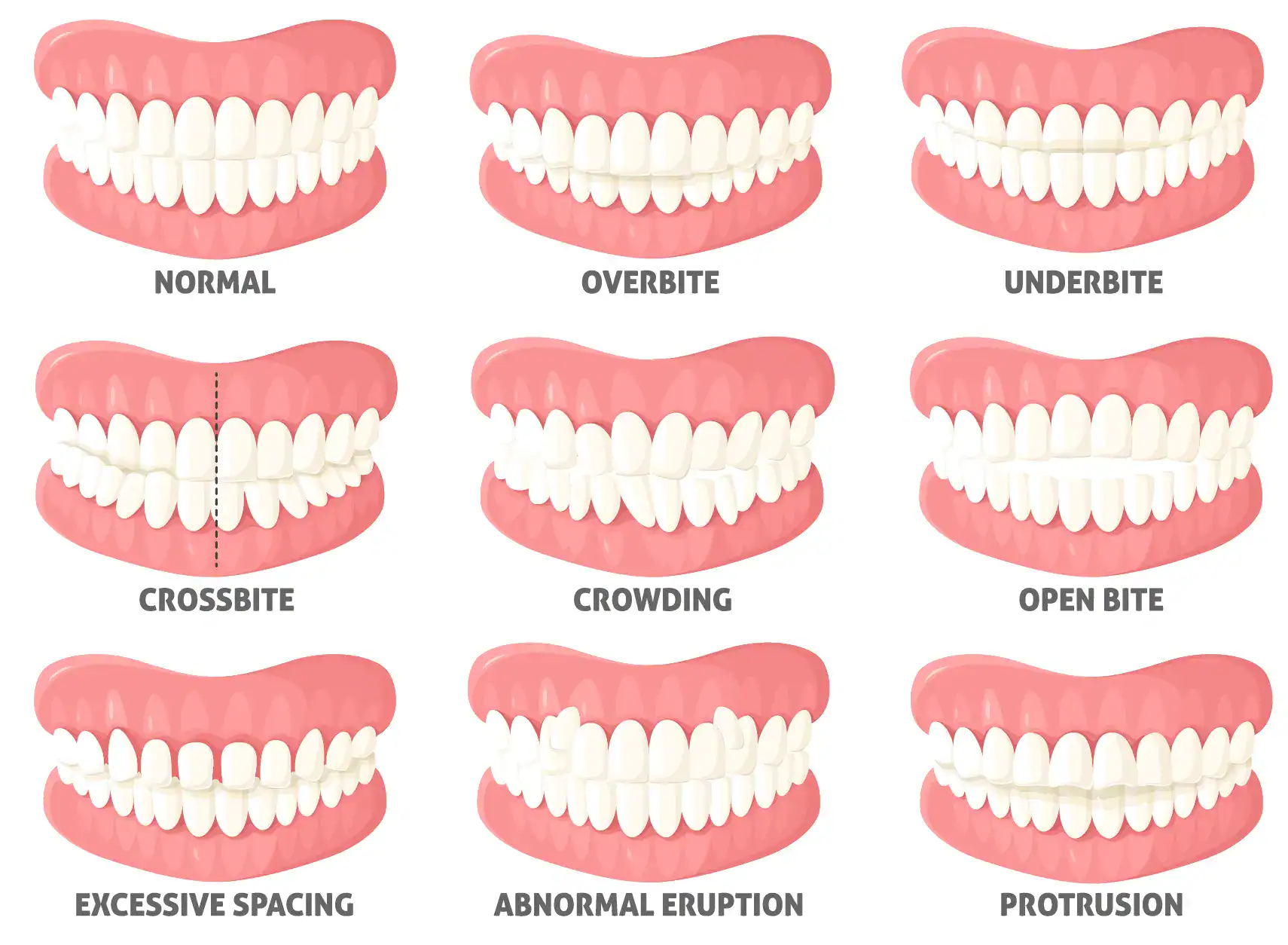
Orthodontic aligners can address a wide range of dental alignment issues. Here are the most common conditions that can be treated:
Crowding
Crowding occurs when there is not enough space in the jaw for all the teeth to fit properly. Nuvola dental aligners apply gentle pressure to gradually shift crowded teeth into more appropriate positions, creating space and aligning the teeth properly.
Spacing
Aligners can also correct spacing issues, where there are gaps or spaces between your teeth. By applying targeted pressure, aligners can close these gaps and bring the teeth closer together for a more uniform and aesthetically pleasing smile.
Overbite
An overbite occurs when the upper front teeth overlap excessively with the lower front teeth. Dental aligners can help correct mild to moderate overbites by guiding the teeth into proper alignment, which can improve both the appearance and function of the bite.
Underbite
An underbite occurs when the lower front teeth protrude in front of the upper front teeth. While severe underbites may require surgical intervention, dental aligners can be used to address mild to moderate cases by gradually shifting the lower teeth backward and the upper teeth forward to achieve a more balanced bite.
Crossbite
A crossbite occurs when one or more teeth are misaligned horizontally, causing them to sit either inside or outside the normal dental arch. Dental aligners can correct crossbites by guiding the misaligned teeth into their proper positions, improving the overall alignment of the bite.
Open Bite
An open bite occurs when the upper and lower teeth do not properly meet when the mouth is closed, leaving a visible gap between the upper and lower teeth. Aligners can help close open bites by gradually moving the affected teeth into the correct positions, allowing for proper alignment and function of the bite.
Midline Discrepancies
Dental aligners can also address midline discrepancies, where the center lines of the upper and lower teeth do not align properly. By guiding the teeth into alignment, aligners can correct midline discrepancies for a more symmetrical and balanced smile.
Tips & Tricks for Mealtimes
Do:
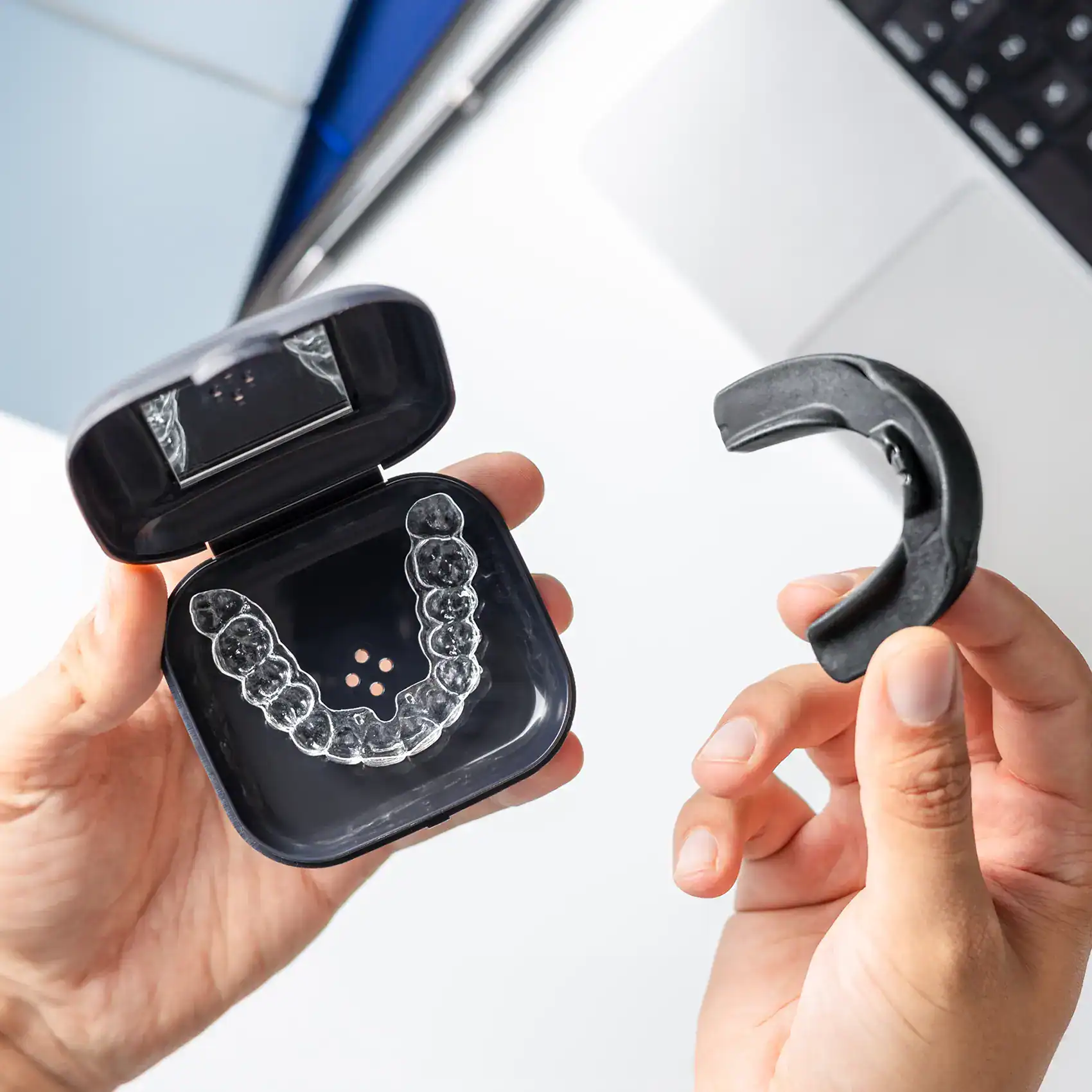
- Before you start eating, remove your aligners and keep them secure. Eating while leaving your aligners in can damage them and can lead to food particles getting trapped, increasing the risk of tooth decay and gum disease. Store them in their case to keep them safe and clean.
- Practice good oral hygiene. Before putting your aligners in after eating, brush and floss thoroughly. Keeping your teeth clean can help prevent dental issues and ensures that the aligners continue to fit properly.
- Listen to your orthodontist. Follow your orthodontist's recommendations regarding wear time, cleaning and care of your aligners. This makes sure that your treatment progresses as planned and minimizes the risk of complications during treatment.
Don't:
- Drink anything other than water or use any kind of tobacco products with your aligners in. Consuming colored, sugary, alcoholic or hot beverages can stain or damage the aligners and compromise their effectiveness. And smoking or using tobacco products while wearing aligners can leave them stained or discolored, not to mention increase your risk of developing gum disease and tooth decay.
- Use hot water to clean your aligners. Hot water can deform the plastic of your aligner. Use lukewarm water and a gentle toothbrush or designated cleaning solution recommended by your orthodontist.
- Chew gum or chewy foods. Chewing gum or sticky foods while wearing your aligners can damage them and affect their fit. Avoid these foods completely, or at least remove your aligners before consuming them.
Who Are Good Candidates for Dental Aligners?
Clear aligners are a great choice for individuals with specific dental needs and fit certain criteria. Here are some factors to take into consideration if trying to determine whether aligners are the right solution for you.
Are you suffering from mild to moderate orthodontic issues? Aligners are most suitable for treating dental alignment conditions like crowding, spacing, overbites, underbites, crossbites and open bites. Depending on the severity of your condition, clear aligners might be an optimal solution.
Are you prepared to commit to a full round of treatment? In order for orthodontic aligners to work, there must be a high level of patient compliance in place. You should be willing to wear your aligners as instructed by your orthodontist, generally 20-22 hours per day, and you should be willing to closely follow your orthodontist's recommended treatment plan.
It's absolutely critical that you have good oral hygiene habits, like regular brushing and flossing, and be committed to maintaining proper dental care throughout the treatment process. This includes caring for your aligners as well as your teeth as directed by your orthodontist.
Closely connected: you should have healthy teeth and gums. Use of dental aligners with a patient who is already suffering from gum disease or cavities can make those problems even worse. Any existing dental issues should be resolved before beginning treatment with aligners.
Finally, it's best that you don't have any severe jaw development concerns. Aligners primarily focus on moving the teeth rather than addressing significant skeletal abnormalities, so you should not have severe jaw growth issues or skeletal discrepancies that require surgical correction.

Aligners for Children & Teenagers
Are there age considerations related to using aligners? Generally speaking, orthodontic aligners are frequently used by adults and teenagers seeking a more discreet and comfortable alternative to braces. While clear aligners aren't generally recommended for children aged 12 and younger, they may be suitable for older children depending on their individual orthodontic needs and treatment goals.
If you're a parent considering clear aligners for your children, here are a few matters to take into consideration:
- Maturity for compliance: Aligners need to be worn for 20-22 hours per day, so you need to be honest when determining if your son or daughter may be tempted to remove the aligners, which can lead to suboptimal treatment outcomes.
- Responsibility for care: Clear aligners require proper care, including cleaning them regularly and storing them when they're not in use. Improper care of the aligners, such as inadequate cleaning, can result in oral hygiene issues, damage to the aligners themselves, and potentially unsuccessful treatment outcomes.
- Monitoring progress: Any parent considering orthodontic aligners should be concerned about their ability to monitor their child's orthodontic treatment progress with aligners, particularly if the treatment involves complex movements or requires adjustments over time. Regular check-up appointments with the orthodontist are essential to ensure that treatment is proceeding as planned.
- Affordability: Orthodontic treatment, including aligners, can be expensive, and parents may have concerns about the financial implications of investing in aligners for their child. It's essential to consider the long-term benefits of orthodontic treatment for oral health and overall well-being when weighing the cost of treatment.
Weather and Orthodontic Aligners
Depending on where you live, you may encounter some issues with clear aligners related to weather and specific seasons. These issues aren't generally severe, but they can impact the fit and comfort of your aligners.
One potential issue is the temperature sensitivity of the aligners themselves. The composite material in clear aligners can become more flexible in higher temperatures, meaning the aligners may become softer and more flexible in hotter weather, making them easier to insert but potentially less effective for treating misalignment. Conversely, aligners tend to become more rigid in colder temperatures; as a result, aligners might feel tighter in cold weather, resulting in increased discomfort for some patients at certain times of the year.
Humidity can also be an issue. High humidity levels can cause the aligners to retain moisture, making them feel slippery and less secure on the teeth. Additionally, excessive saliva production in response to hot or humid weather may affect the fit of the aligners and increase the risk of bacterial growth if not properly managed through regular cleaning.
Certain weather can also indirectly cause staining of the aligners. Certain foods and beverages commonly consumed during specific seasons, such as hot cocoa or red wine in winter, may have staining potential and could affect the appearance of clear aligners. Additionally, exposure to UV light from sunlight can cause clear aligners to discolor over time, particularly if they are not properly cleaned and maintained.
If you're in an area where the local climate can be a factor in aligners functioning properly, there are steps you can take to mitigate those challenges. One is to make sure you store them properly: placing the aligners in a cool, dry area away from direct sunlight and moisture when they're not in use can keep them from warping. Along those lines, make sure you clean them properly with mild soap or an appropriate cleaning solution, but don't expose them to hot or boiling water, since this can deform the aligners' plastic material.
While you're wearing your aligners, stay hydrated, especially if you live in a hot or dry region. This can help maintain proper saliva flow and prevent dry mouth. And follow your orthodontist's directions on proper oral hygiene, especially when it comes to brushing and flossing regularly. This will minimize bacterial growth and plaque buildup, which can contribute to aligner discoloration.

Seasonal Aligner Care Tips
Certain times of the year present specific challenges when it comes to aligner care:
- Spring: You may experience seasonal allergies. Make sure you manage any issues related to nasal congestion. Nasal breathing can impact the fit and comfort of your aligners.
- Summer: Make sure you don't leave your aligners in direct sunlight or hot environments, such as the center console of your car, where excessive heat can cause your aligners to warp and deform. You're also more likely to experience dry mouth during the summer, so make sure you're drinking plenty of water.
- Fall: You're more likely to consume beverages that can stain your aligners, such as red wine and pumpkin spice treats.
- Winter: You're probably going to be eating treats and sugary foods that can contribute to tooth decay. Make sure you moderate your consumption and be extra diligent with your oral hygiene at this time of year. (It's probably not a bad idea to rinse your mouth, or even brush your teeth, after indulging.)
Care and Maintenance of Orthodontic Aligners
NOTE: The following recommendations are general in nature, and should not be a substitute for specific, personalized instructions. If you have any questions or concerns, consult your orthodontist for guidance.
- Remove them before eating or drinking (except for water). Food particles and beverages can stain your aligners and promote bacterial growth.
- After removing your aligners, rinse them with lukewarm water to remove any saliva and loose debris. Don't rinse with hot water, as this can deform the aligners' composite material.
- Brush your aligners with a soft-bristled toothbrush inside and out, using a mild liquid soap or cleaners specifically designed to clean aligners. Avoid colored or scented soaps, as they can stain or alter the aligners' appearance. And don't use toothpaste: it's mildly abrasive and can scratch the material of the aligners, leaving them cloudy or discolored.
- Soak your aligners regularly in a denture cleaner, a solution specifically formulated for dental aligners, or a 50/50 mix of water and hydrogen peroxide for 15-20 minutes daily or as recommended by your orthodontist. This can help remove plaque, bacteria and odors from your aligners.
- While you have your aligners removed, brush and floss thoroughly to remove any food particles and plaque. This will keep bacterial growth at bay and maintain oral hygiene during the treatment period.
- Store your aligners properly in their designated case in a cool, dry area away from direct sunlight. Avoid using paper towels or tissues to store them, as the aligners can be lost too easily this way. And clean the aligners' storage case regularly with soap and water to remove any bacteria or debris, making sure to air dry thoroughly before using it to store your aligners.
One of the biggest challenges to a successful round of treatment with dental aligners is monitoring progress. That's why regular checkups and follow-up appointments are absolutely critical to making sure that your aligners are working as intended. If they're not, your orthodontist can make adjustments in your treatment plan so that you can achieve the desired results.
How Popular Are Orthodontic Aligners?
Already more popular than braces, orthodontic aligners have seen a sustained rise in popularity, and are forecast to continue to see widespread adoption in the coming years. According to Grand View Research, by 2022 clear aligners had grown to 84% of the overall orthodontics market. And Fortune Business Insights reports that the U.S. market for aligners had hit $3.8 billion in 2023 and is projected to grow to more than $17 billion by 2030.
Once you compare braces and aligners, it's easy to see why aligners have surged in popularity. They're much more comfortable, much more aesthetically pleasing, and can achieve the desired results much faster than braces.
Aligners and Active Lifestyles
Patients in need of orthodontic solutions may want to know their options if they're involved in contact sports like football or lacrosse. In addition, what if a patient is involved in combat sports like mixed martial arts?
This is where aligners are the obvious choice over braces. Sports overall are vastly easier to play with aligners than with braces. If you're playing rugby or soccer and take a hard shot to the face, the results could be disastrous if you have braces, since all that metal could cause serious lacerations to the inside of your mouth. But if you use aligners, simply remove them before practice or a match and wear a conventional Oral Appliance to protect your teeth from damage.
Start with a Simple TMJ and Sleep Screening
Do You Have TMJ?
Take our quick 2-minute assessment to find out if your symptoms may be related to TMJ disorder. Take TMJ Quiz
Sleep Apnea Risk?
Discover if your snoring, fatigue, or restless sleep could indicate sleep apnea with this brief screening. Take Sleep Quiz