

Snoring Without
Sleep Apnea
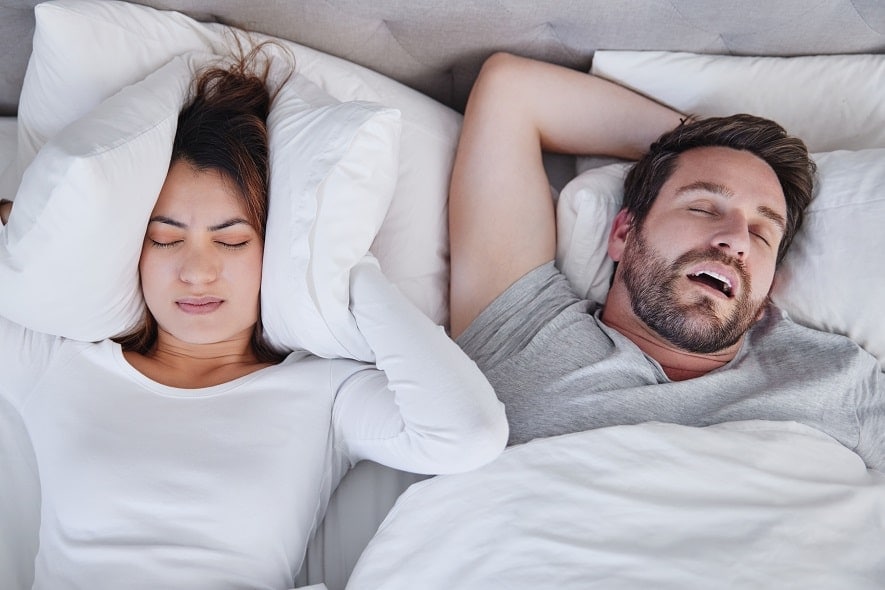
Not all snoring indicates sleep apnea. Learn about primary snoring and what treatment options are available to help you and your partner sleep better.
Understanding Why You Snore
A range of issues can disrupt your ability to sleep. Some are easier to treat than others. If you are suffering from one of the conditions below, seek the help you need as soon as possible so you can stop snoring and get back to a good night's sleep.
At the TMJ & Sleep Therapy Centre of North Texas, Dr. Krish can help identify the underlying cause of your snoring and recommend the most effective treatment approach for your specific situation.


Nasal Polyps
Nasal polyps are one cause of snoring that doesn't get a lot of press. They're overgrowths of the mucous membranes in the nasal cavity and sinuses. Nasal polyps are noncancerous in nature, but they do tend to occur in both nostrils. If they get too big, they can obstruct nasal air flow, which can result in snoring.
Nasal polyps are quite common: 40% of people will develop them at some point in life, and they are more likely in people who have cystic fibrosis, allergies, sensitivity to aspirin, or asthma. They're also more common in smokers, and in men than in women.
Treatment for nasal polyps is some form of steroids, usually delivered via nasal spray. If the polyps are really severe, surgery may be better, but since polyps can recur even after surgery, post-operative steroid nasal spray may be recommended.
Sinusitis & Inflamed Nasal Passages
Blockage of the nasal passages isn't necessary for restricted air flow. It's also possible for the nasal cavity to be obstructed due to the nasal passages becoming generally inflamed due to sinusitis, a highly common illness that afflicts tens of millions of Americans at any given time.
Sinusitis can be diagnosed one of several ways:
- Visual exam by a physician. Usually a quick exam is all that's needed, but occasionally a doctor may need to perform a nasal endoscopy: a thin, flexible tube with a small camera on the end is inserted to allow the doctor to see the nasal passages more clearly.
- In case of abnormalities or unexplained complications, a CT scan can reveal details about your sinuses and nasal area that aren't always spotted with a simple physical exam.
- An allergy test via a skin exam can reveal if allergens have triggered inflamed nasal passages.
- Nasal and sinus samples. Usually lab tests aren't necessary, but if your condition isn't responding to treatment or is getting worse, tissue samples can point to a specific cause, such as a bacterial infection.

Treatment Options
If you have sinusitis, your immune system will likely take care of it over time. In the meantime, if your inflamed nasal passages are causing you to snore, there are several treatment options you might consider:
- Saline nasal spray several times a day can help keep your nasal passages clear.
- Over-the-counter and prescription nasal decongestants come in a variety of forms, including tablets, capsules, liquids and nasal sprays. If you go this route, be careful not to use decongestants more than a few days to avoid the onset of more severe congestion.
- Nasal corticosteroids can help prevent and treat inflammation.
- Allergy medications can help reduce allergy-related inflammation.
- Basic OTC painkillers like aspirin, acetaminophen or ibuprofen can reduce swelling related to inflamed nasal passages.
Since sinusitis is generally viral and not bacterial in nature, antibiotics generally aren't needed. However, severe or progressive sinusitis might require antibiotic treatment under a doctor's care.
A Long Soft Palate
In some cases, the culprit is your anatomy. Specifically, if your soft palate is unusually long, the tissue in that region might be longer and more prone to blocking your airway at night, making you particularly prone to experience sleep apnea.
If you have a particularly long soft palate, you have a few different treatment options:
Palate Surgery
Can remove excess tissue from the soft palateRadiofrequency Ablation
Uses radiofrequency energy to shrink excess tissue in the soft palate and tongueLaser-Assisted Uvulapalatoplasty
LAUP uses laser energy to reduce tissue in the soft palate and improve airflow. This treatment is minimally invasive, non-surgical and can demonstrate immediate benefits in terms of reducing snoring.

Enlarged Tonsils or Lymph Nodes
Much like nasal polyps, the tonsils or lymph nodes can become inflamed and enlarged, blocking the airway and causing snoring. This condition is most frequently seen in children with snoring issues.
In extreme cases, a tonsillectomy or adenoidectomy is needed to prevent snoring. However, adoption of a diet high in protein and low in carbohydrates and fat can help reduce swollen lymph nodes, opening the airway and reducing snoring.
Poor Muscle Tone in Throat & Tongue
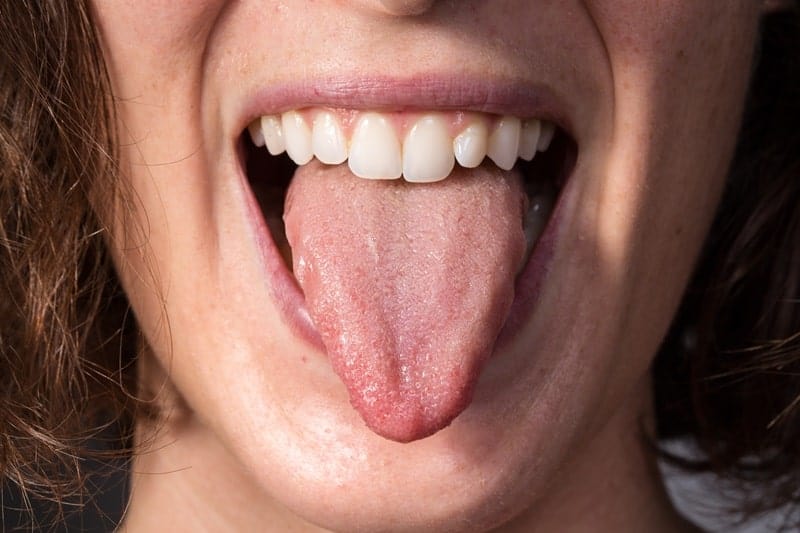
It's one thing if tissue in the palate becomes loose. But what if tissue in your mouth becomes loose because your throat is out of shape? Believe it or not, lack of muscle tone in your throat and tongue can result in the tissue in those areas becoming loose enough to result in airway blockage and snoring.
Treatment for poor muscle tone is the same as with other parts of the body: exercise. There are specific daily exercises that can be done for the tongue and throat to improve muscle tone and reduce snoring. One particular exercise: regular focused singing of diverse sounds, including vowels, may improve overall muscle tone and cut down on snoring.
Nasal Deformities
Much like having an unusually long palate can contribute to snoring, your nasal anatomy can also be a factor.
- A congenital issue such as a deviated septum or some other unusual nasal deformity from birth can prevent proper airflow while sleeping.
- A low nasal bridge caused by a nose injury that didn't heal properly, an infection, or cocaine abuse can restrict airflow, resulting in snoring.
- As you age, portions of the nose can collapse inward, causing a partial obstruction of the nostrils.
Generally, the only permanent remedy for a nasal deformity is some sort of surgery, like a septoplasty in the case of a deviated septum. However, a range of over-the-counter devices have been developed to address these sorts of airflow issues.
Weight Gain
In pop culture, snoring is closely connected to being overweight, and for good reason. In many cases of obesity, enough fat collects in the neck and chin areas to act as an obstruction when lying down, resulting in snoring.
In this case, the obvious long-term solution is weight loss. However, a useful short-term fix is a CPAP (continuous positive airway pressure) machine. This approach, which involves wearing a mask while sleeping, creates constant positive air pressure in the airway to help the breathing process. While it doesn't treat the underlying cause, it's a way to get around the symptom for a good night's rest.

Alcohol Consumption
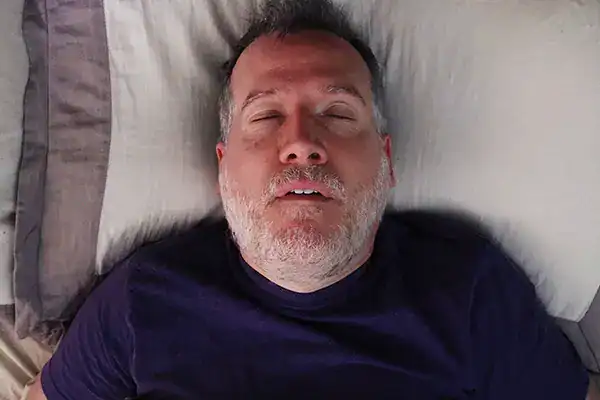
Many folks have a drink before going to bed to help them relax. However, what they fail to realize is that alcohol causes their mouth and throat muscles to really relax – in effect, reducing the muscle tone in those areas, and causing the same kind of airway obstruction that manifests as snoring.
While it may be tempting to have a drink before going to bed, the cons vastly outweigh the pros if it's causing you to snore. And even if it's not causing some form of sleep apnea, drinking before turning in for the night reduces REM sleep, which can ironically cause daytime fatigue. There are other things you can consume before going to bed besides alcohol that will actually contribute to getting a good night's sleep.
Allergies & Seasonal Rhinitis
Every spring, drugstores and pharmacies experience a run on antihistamines, decongestants, cough drops and other over-the-counter medications by all those poor folks who just can't stop sneezing. As allergy sufferers can readily attest, allergies cause inflammation in the throat and nasal passages. If it gets bad enough, it can cause enough airway obstruction to cause snoring.
If your allergies are more seasonal in nature, you're probably suffering from seasonal allergic rhinitis – a.k.a. hay fever – brought on by excess airborne pollen and mold. If your allergy symptoms are present year-round, you may have perennial allergic rhinitis, which can be caused by animal fur, household dust mites and sometimes by excess airborne mold.
Many cases of allergies are fairly easily treated via OTC medications, and once you can get the inflammation to subside, the snoring tends to work itself out. More severe cases may require some sort of a nasal steroid spray. However, if the normal array of medications won't make a dent, you may require treatment from an allergist for a stronger, more specialized treatment such as prescription anti-allergy injections or environmental control measures you can implement in your home and surroundings. Once you get the allergies under control, your good night's sleep should return.


Get Help for Your Snoring
Whether your snoring is caused by nasal polyps, sinusitis, a long soft palate, enlarged tonsils, poor muscle tone, nasal deformities, weight gain, alcohol consumption, or allergies, Dr. Krish and the team at the TMJ & Sleep Therapy Centre of North Texas can help you find the right solution.
The first step is a thorough evaluation to determine the exact cause of your snoring and rule out obstructive sleep apnea. Contact us today for an at-home sleep study or an in-office consultation to start your journey toward better sleep.
At-Home Sleep Study
Convenient testing in the comfort of your own homePersonalized Treatment
Custom treatment plans tailored to your specific conditionExpert Care
Specialized treatment from Dr. Krish and our experienced teamStart with a Simple TMJ and Sleep Screening
Do You Have TMJ?
Take our quick 2-minute assessment to find out if your symptoms may be related to TMJ disorder. Take TMJ Quiz
Sleep Apnea Risk?
Discover if your snoring, fatigue, or restless sleep could indicate sleep apnea with this brief screening. Take Sleep Quiz
Advanced Non Surgical Solutions
Combining proven techniques with innovative technology to deliver exceptional outcomes.


Snoring/Sleep Apnea
Millions of people suffer from sleep apnea and do not even know it. Snoring, fatigue, brain fog, and high blood pressure are often dismissed, but they may signal a serious breathing disorder that commonly goes undiagnosed. Learn how to recognize the signs and protect your long term health.

TMD Treatments
Jaw pain, headaches, clicking, and neck tension are frequently misdiagnosed or ignored. TMJ disorder affects more people than most realize, yet many live with symptoms for years without answers. Discover the hidden signs and find out if TMJ could be the cause.

Airway Dentistry
Address your smile and open your airway at the same time. Airway orthodontics can reshape the inside of your mouth to create more space to breathe freely, providing a full solution for your sleep apnea challenges.


Snoring Treatments
Fast, non-invasive and friendly way of increasing the quality of a patient’s sleep. The procedure is comfortable and you can resume your daily routine immediately afterwards.
Watch The Video


