

What Causes
Snoring
Understanding the causes of snoring is the first step toward finding the right treatment and getting a good night's sleep.
Why Do People Snore?
Snoring occurs when the soft palate tissues at the back of the throat become elongated or lax, partially obstructing the airway during sleep. As air flows past these relaxed tissues, it causes vibration that produces the familiar snoring sound.
Several factors can contribute to or worsen snoring, including weight gain that leads to excess fat deposits around the neck, poor muscle tone in the throat and tongue, and the use of alcohol or sedatives before bed.

Snoring & Obstructive Sleep Apnea
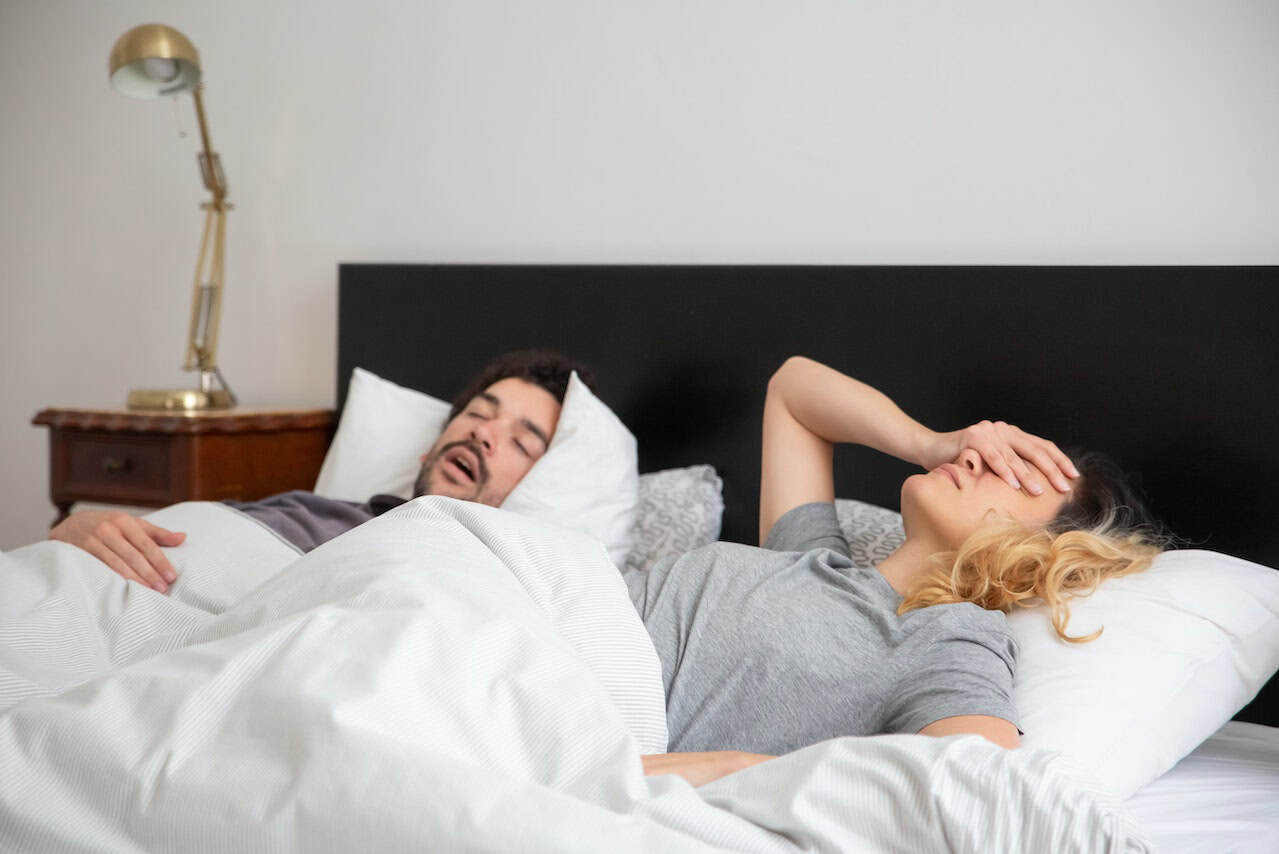
Snoring is a highly common problem that afflicts many Americans. In fact, 90 million adults snore in the United States. While snoring frequently interferes with partners' ability to get a good night's sleep, it can also signal a serious sleep disorder that studies have shown can result in sudden death and increased risks of heart attacks.
Snoring is most frequently associated with obstructive sleep apnea (OSA), the single most common sleep-related breathing disorder. OSA is characterized by partial or complete obstruction of the upper airway while asleep.
The snoring associated with OSA is distinguished by being intermittent, broken up by gaps of silence followed by loud gasps. When the person suffering from OSA goes without breathing for too long, he or she will start gasping for air, disrupting sleep throughout the night.


Symptoms & Side Effects of OSA
The primary symptom of obstructive sleep apnea is excessive sleepiness and fatigue during the day. Due to repeated sleep disruption, individuals may fall asleep for very brief periods if they stop to sit or rest. In severe cases, they may even fall asleep briefly during conversations.
Reduced Concentration
Memory loss and difficulty focusing on everyday tasksPulmonary Hypertension
Increased blood pressure in the lungs from chronic oxygen deprivationReduced Executive Function
Impaired decision-making and problem-solving abilitiesMood Swings & Irritability
Frequent mood changes and reduced libido from poor sleep qualityLifestyle Factors That Contribute to Snoring
Beyond anatomical factors, several lifestyle choices and demographic characteristics can significantly increase your risk of snoring and developing obstructive sleep apnea.
- Smoking: Smoking can increase inflammation and fluid retention in the upper airway. This constricts breathing and contributes to the risk of developing OSA.
- Alcohol & Sedatives: Having a drink or using a tranquilizer, especially before bedtime, relaxes the muscles in your throat more than usual, which can increase the severity of OSA.
- Weight Gain: Increased fat deposits in the face and neck can increase pressure on the upper airway, restricting your breathing while you sleep.
- Age & Gender: OSA is much more common in older adults, and men are two to three times more likely than women to suffer from the condition.
- Neck Circumference: Having a higher neck circumference may mean your airway is naturally constricted, which can make you more susceptible to developing OSA.

Treatment for Chronic Snoring
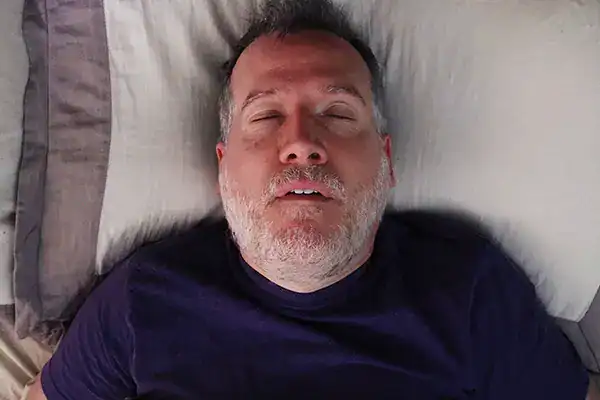
Chronic snoring is more than just a nighttime nuisance. Left untreated, snoring associated with obstructive sleep apnea can lead to serious health complications including increased risk of heart attacks, stroke, and sudden death. The repeated oxygen deprivation from OSA puts enormous strain on your cardiovascular system over time.
At TMJ & Sleep Therapy Centre of North Texas, Dr. Krish specializes in identifying the root causes of your snoring and developing personalized treatment plans. Whether through oral appliance therapy, myofunctional therapy, or other airway-focused treatments, we can help you breathe easier and sleep better.
If you or a loved one is suffering from chronic snoring or sleep apnea, contact us today to schedule a consultation and find out how we can help restore your quality of life.
Snoring Causes: Frequently Asked Questions
What causes snoring?
Why do people snore?
What are the most common reasons for snoring?
What causes loud snoring?
Is snoring a sign of sleep apnea?
Can being overweight cause snoring?
Does sleeping position affect snoring?
Can alcohol make snoring worse?
Does smoking contribute to snoring?
Can chronic snoring affect your health?
How can I find out what is causing my snoring?
Start with a Simple TMJ and Sleep Screening
Do You Have TMJ?
Take our quick 2-minute assessment to find out if your symptoms may be related to TMJ disorder. Take TMJ Quiz
Sleep Apnea Risk?
Discover if your snoring, fatigue, or restless sleep could indicate sleep apnea with this brief screening. Take Sleep Quiz
Advanced Non Surgical Solutions
Combining proven techniques with innovative technology to deliver exceptional outcomes.

Snoring/Sleep Apnea
Millions of people suffer from sleep apnea and do not even know it. Snoring, fatigue, brain fog, and high blood pressure are often dismissed, but they may signal a serious breathing disorder that commonly goes undiagnosed. Learn how to recognize the signs and protect your long term health.

TMD Treatments
Jaw pain, headaches, clicking, and neck tension are frequently misdiagnosed or ignored. TMJ disorder affects more people than most realize, yet many live with symptoms for years without answers. Discover the hidden signs and find out if TMJ could be the cause.

Airway Dentistry
Address your smile and open your airway at the same time. Airway orthodontics can reshape the inside of your mouth to create more space to breathe freely, providing a full solution for your sleep apnea challenges.


Snoring Treatments
Fast, non-invasive and friendly way of increasing the quality of a patient’s sleep. The procedure is comfortable and you can resume your daily routine immediately afterwards.
Watch The Video


