

Snoring &
Sleep Apnea
Chronic snoring and sleep apnea affect millions of Americans. Learn about the symptoms, causes, and our non-surgical treatment options for better sleep.
Snoring & Sleep Disorders
Snoring affects an estimated 90 million Americans and can be far more than just a nuisance. While occasional snoring is common, chronic snoring can disrupt your partner's sleep and may indicate a serious underlying sleep disorder such as obstructive sleep apnea.
Sleep apnea occurs when the airway becomes partially or completely blocked during sleep, causing repeated pauses in breathing. Left untreated, it increases the risk of heart disease, stroke, diabetes, and other serious health conditions.
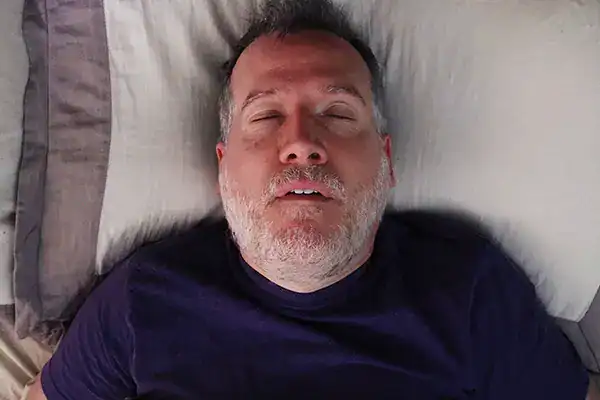


At-Home Sleep Study
We offer convenient at-home sleep studies that allow you to be tested in the comfort of your own home. Using the SleepImage Ring device, we can accurately diagnose sleep apnea without the inconvenience and expense of an overnight lab study.
Convenient Testing
Sleep in your own bed with a simple wearable deviceAccurate Results
Board-certified sleep doctor analyzes your dataAffordable
Fraction of the cost of an in-lab sleep studySleep Apnea Treatments
Dr. Krish offers several effective, non-CPAP treatment options for snoring and sleep apnea. These treatments address the root cause of airway obstruction rather than simply managing symptoms.
Laser Treatment
NightLase and QuietNite laser therapy to tighten airway tissuesOral Appliances
Custom devices that open the airway and reshape the jawMyofunctional Therapy
Muscle exercises that strengthen the airway and reduce obstruction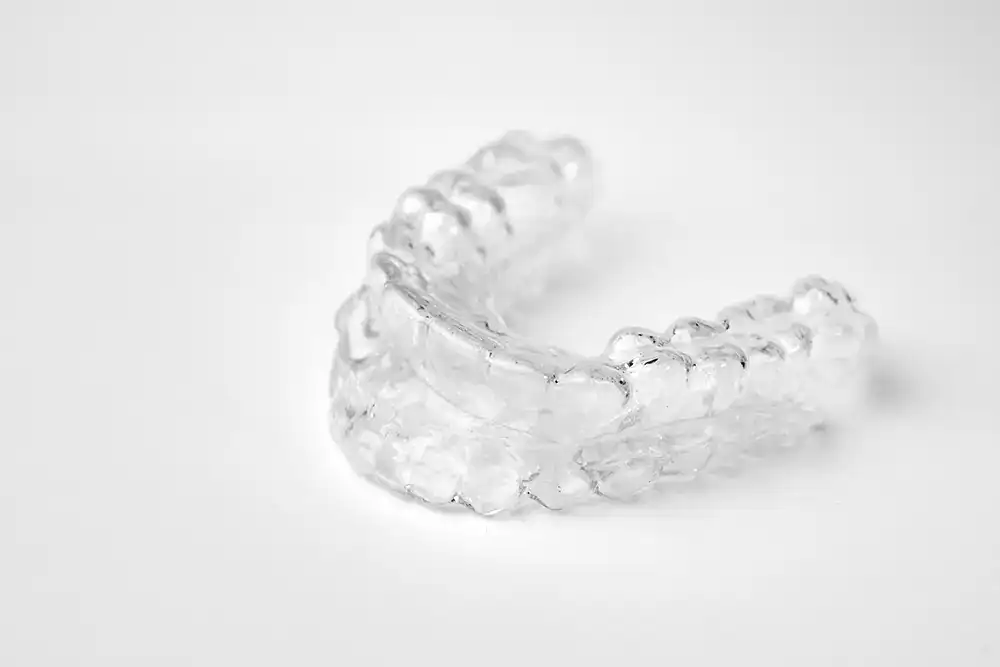
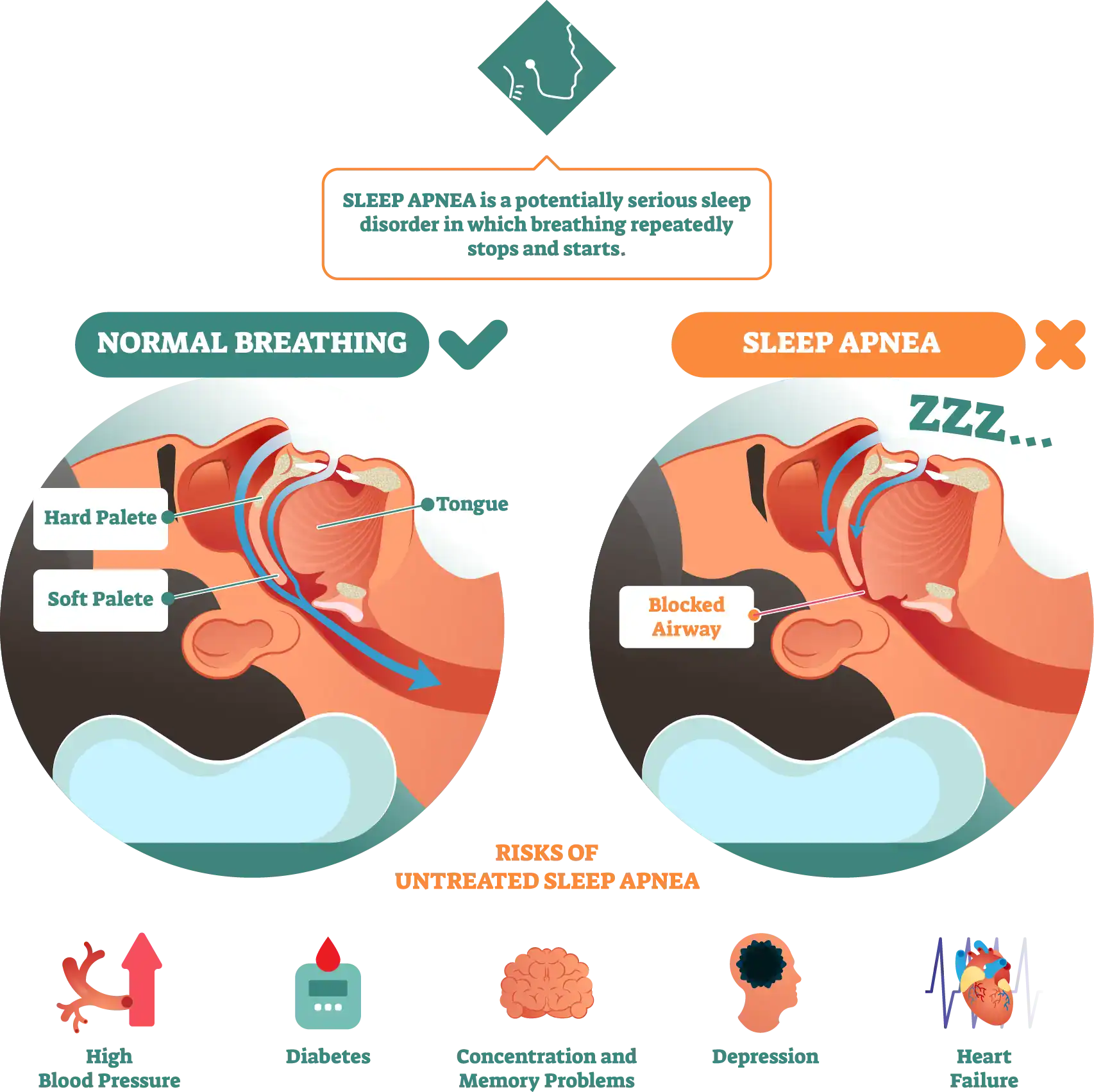
Obstructive Sleep Apnea
Obstructive sleep apnea (OSA) is the most common sleep-related breathing disorder. It occurs when the tongue falls against the soft palate and the soft palate and uvula fall against the back of the throat during sleep, partially or completely blocking the airway.
The snoring associated with OSA is unique: it is intermittent, broken up by gaps of silence followed by loud gasps as the person struggles to breathe. OSA is associated with reduced concentration, memory loss, mood swings, reduced libido, and even pulmonary hypertension.
Most Common Type
Caused by physical obstruction of the upper airwayIntermittent Snoring
Silence followed by gasping as breathing resumesTreatable
Responds well to oral appliances, laser therapy, and myofunctional therapyCentral & Complex Sleep Apnea
Central sleep apnea (CSA) is less common and occurs when the brain fails to send proper signals to the muscles that control breathing. Unlike OSA, there is no physical obstruction, and snoring is typically absent. Instead, the person simply stops breathing periodically because the nervous system does not consistently signal the body to breathe.
Complex sleep apnea syndrome combines both obstructive and central sleep apnea. It sometimes emerges after standard OSA treatments fail, requiring a more comprehensive treatment approach from Dr. Krish.
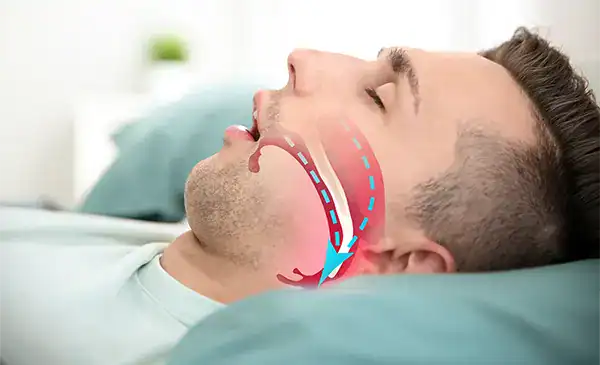

Symptoms of Sleep Disorders
Sleep disorders can manifest in surprising ways beyond just feeling tired. Recognizing these symptoms is the first step toward getting the treatment you need from Dr. Krish at the TMJ & Sleep Therapy Centre of North Texas.
- Morning headaches caused by disrupted brain function overnight
- Excessive daytime drowsiness and brief episodes of falling asleep
- Chronic dry mouth from breathing through the mouth at night
- Depression, mood swings, and increased irritability
- Teeth grinding (bruxism) that disrupts sleep cycles
- Reduced concentration, memory loss, and difficulty learning
Long-Term Effects of Sleep Deprivation
Untreated sleep disorders do not just leave you feeling tired. Chronic sleep deprivation has been linked to a range of serious health conditions that can significantly impact your quality of life and longevity.
Cardiovascular Risk
Increased risk of heart attacks, stroke, and pulmonary hypertensionMetabolic Issues
Increased insulin resistance, higher blood pressure, and weight gainSafety Concerns
Greater risk of motor vehicle accidents and workplace incidents
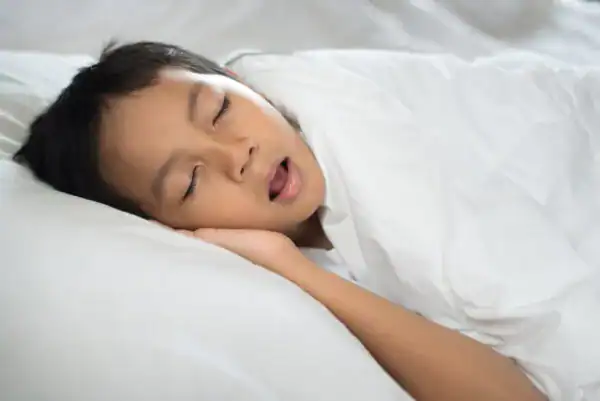
What Contributes to Sleep Apnea
Understanding the factors that contribute to sleep apnea can help you identify whether you may be at risk and optimize your treatment outcomes with Dr. Krish.
- Weight gain and increased fat deposits in the face and neck that restrict breathing
- Neck circumference greater than 17 inches (men) or 16 inches (women)
- Poor muscle tone in the throat and tongue allowing tissue to block the airway
- Use of alcohol or sedatives before bedtime that relax throat muscles
- Smoking, which increases inflammation and fluid retention in the upper airway
- Being a middle-aged male, as men are two to three times more likely to develop OSA
Sleep Apnea Treatment: Frequently Asked Questions
What are the most effective sleep apnea treatment options?
Is there a sleep apnea treatment near me that doesn't require a CPAP machine?
What is maskless sleep apnea treatment?
How does oral appliance therapy work for sleep apnea?
What is sleep apnea laser treatment?
Can sleep apnea be treated without surgery?
What is the best treatment for obstructive sleep apnea?
How can I get relief from sleep apnea symptoms?
What is myofunctional therapy for sleep apnea?
Do I need a sleep study before starting treatment?
Where can I find sleep apnea treatment in Texas?
How do I know which sleep apnea therapy is right for me?
Start with a Simple TMJ and Sleep Screening
Do You Have TMJ?
Take our quick 2-minute assessment to find out if your symptoms may be related to TMJ disorder. Take TMJ Quiz
Sleep Apnea Risk?
Discover if your snoring, fatigue, or restless sleep could indicate sleep apnea with this brief screening. Take Sleep Quiz


Expert Care, Compassionate Hearts


Sleep Apnea & TMJ Disorder
Sleep apnea is often linked to TMJ disorder. Airway obstruction and jaw misalignment frequently occur together, and treating both can dramatically improve your quality of life.
Learn About TMJ Disorder Treatment